BPC-157: A Research Overview
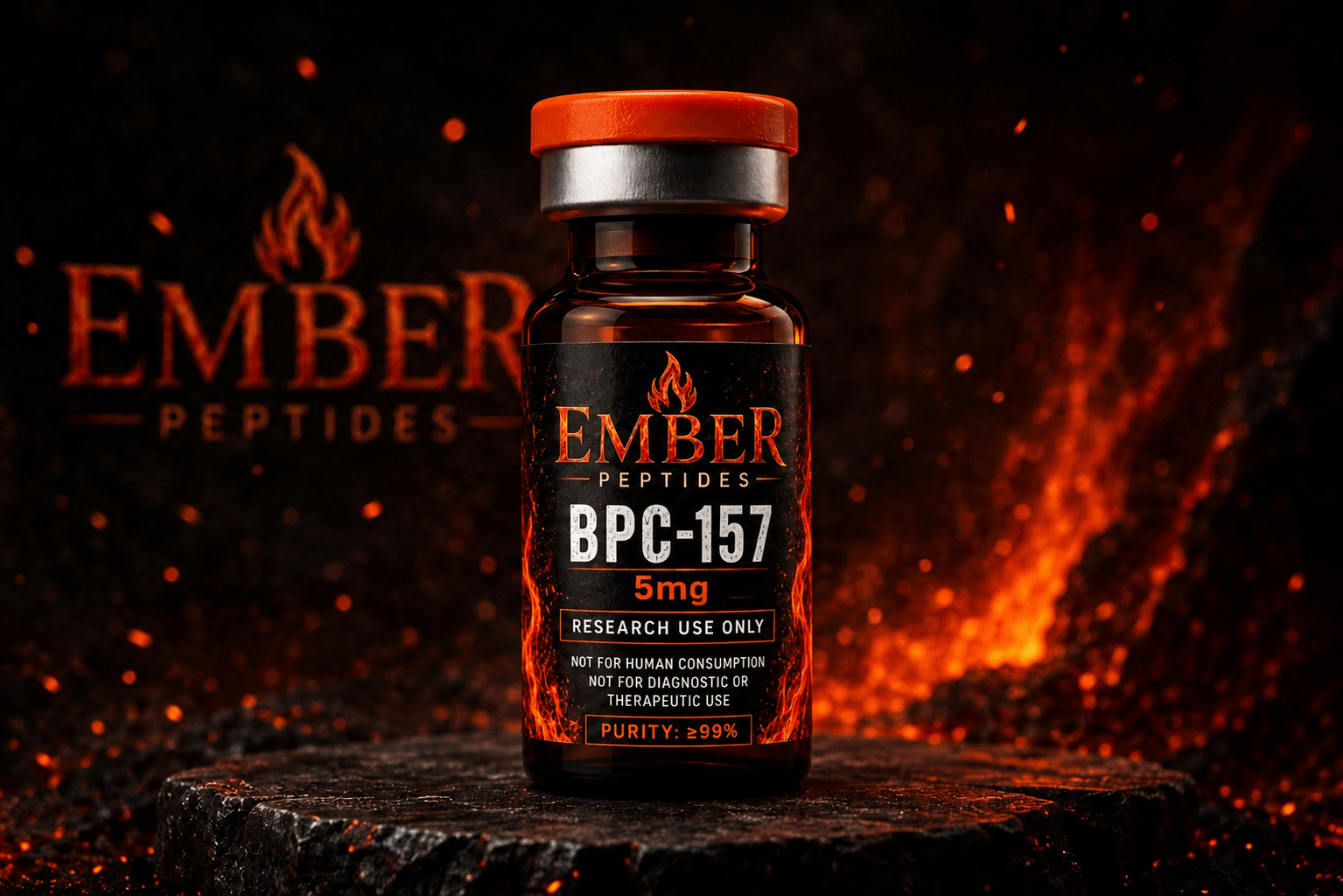
BPC-157 (Body Protection Compound-157) is one of the most widely studied peptides in the research peptide community, and one of the most requested compounds among researchers exploring tissue repair pathways.
What Is BPC-157?
BPC-157 is a synthetic peptide derived from a protein found in human gastric juice. Research interest has centered on its potential role in tissue repair processes, particularly in models involving tendons, ligaments, and gut lining.
What the Research Says
Preclinical studies (primarily in animal models) have explored BPC-157’s interaction with growth factor pathways and angiogenesis (the formation of new blood vessels). Much of the published literature focuses on:
• Musculoskeletal tissue models
• Gastrointestinal tissue models
• Wound healing pathways
It’s worth noting that the majority of available data comes from animal and in-vitro studies. Human clinical trial data remains limited, which is part of why BPC-157 is sold strictly as a research-use-only (RUO) compound — not for human consumption.
Why Researchers Choose Third-Party Tested BPC-157
Because RUO peptides aren’t FDA-regulated for purity or dosing accuracy, sourcing matters. Look for:
• A Certificate of Analysis (COA) from an independent lab for the specific batch you’re ordering
• Vendors who publish COAs per batch, not just once per product
• Proper cold-chain shipping and storage instructions
Reconstitution Basics for Research Settings
When reconstituting lyophilized peptide for laboratory use, researchers typically use bacteriostatic water (BAC water) and standard aseptic technique to preserve peptide stability. Reconstituted peptide should be stored refrigerated and used within the timeframe indicated by your lab’s protocols, as peptide stability decreases over time once in solution.
Bottom Line
BPC-157 remains one of the more heavily researched peptides in this space, but it’s intended strictly for laboratory and research applications. Always verify COA documentation and follow proper RUO handling guidelines.